
Search Bartlett Court Records
Bartlett court records follow the Shelby County court system, so the city name is only the starting point. Shelby County courts are based at 140 Adams Avenue in Memphis, which means Bartlett searches usually move from city location to county office. That is the practical way to work the file trail. If the case is civil, criminal, or another county matter, the county court system is what controls the record. Bartlett is the place clue. Shelby County is the record holder.
Bartlett Court Records Quick Facts
Bartlett Court Records Basics
Bartlett court records are part of Shelby County court records. Shelby County courts are located at 140 Adams Avenue in Memphis, and the county is the real place to start when you need the file. The city itself does not change the court path. The record belongs to the county office that heard the case. That means Bartlett searches work best when you first decide whether the matter is a county case and then move to the correct county source.
The county has official court access through two main public sites. One is the Shelby County Courts site, and the other is the Shelby County Court Records site. Those are the local sources tied to the city. If you need a case check or a record path, that is where you start. Bartlett court records are easier to follow when you focus on the county system first and then use the city name as the location clue.
The county courts image tied to Shelby County Courts is the main local source for Bartlett court records.
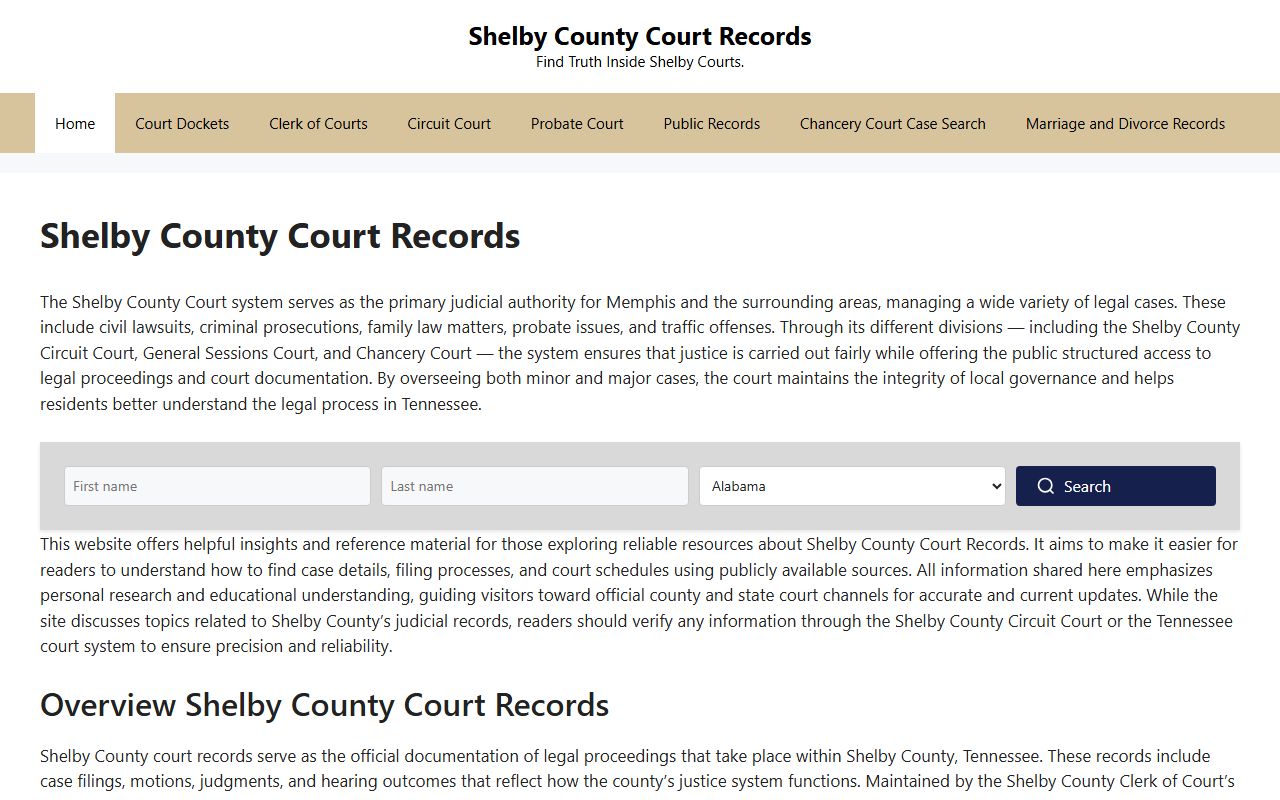
That source is useful when you want the county office before you ask for a file or a docket.
Bartlett Court Records Online
Online access is the best first step for many Bartlett court records searches. Shelby County's public court sites can help you confirm whether the record exists and point you toward the right office. That matters because a county case may be civil, criminal, or another record type that needs a different search lane. The online page is the first look. The clerk office is still the record holder if you need the full file or a certified copy.
The Tennessee Public Case History database at tncourts.gov/courts/supreme-court/public-case-history is the official appellate search tool. It is useful if a Bartlett case moved beyond the trial court and into the Tennessee appellate system. You can search by style, case number, party name, or organization. That gives you a second layer after the county check.
Keep the search narrow:
- Party name or business name
- Approximate filing year
- Case type, if known
- Case number, if available
The safest county web entry point for Bartlett court records is Shelby County Courts, followed by the Tennessee state court tools when the case leaves the local trial court system.
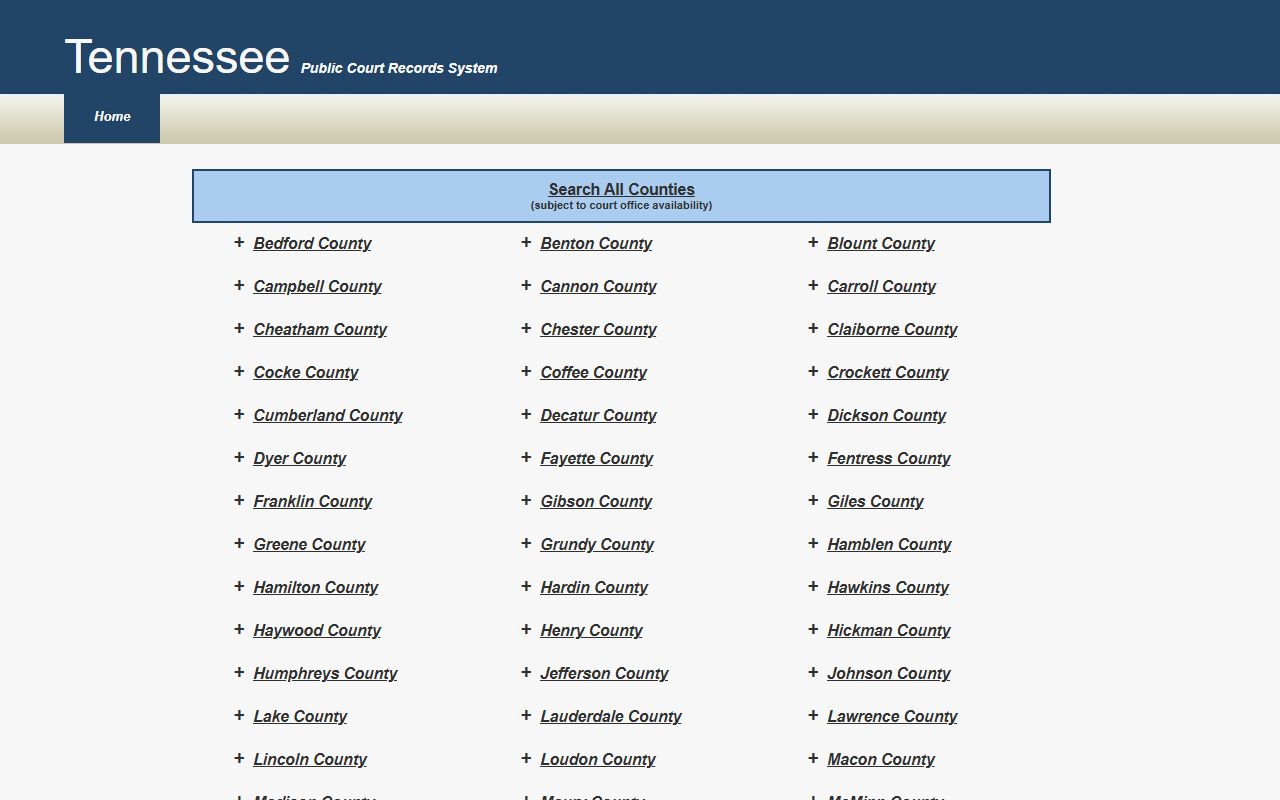
Use the Shelby County courts site to identify the right office, then use state court tools if you need appellate or broader court-structure follow-up.
Shelby County Court Records
Bartlett court records are part of Shelby County court records, and Tennessee's public records law makes inspection possible unless another law limits the file. Under T.C.A. § 10-7-503, public records are open during business hours by default. The Tennessee Comptroller and CTAS both explain the request process and the exceptions that may apply. That is helpful when you need to know whether a file can be inspected, copied, or partly redacted.
That framework matters in Bartlett because the county court offices handle the underlying file. A web search may show the docket, but the clerk office is still where the paper or certified version comes from. If the file is older, it may be in storage. If it is newer, it may be available at the counter or through a county search system. The county office is what controls the file trail.
For request guidance, use the Open Records Counsel and the CTAS public records guide.
Note: If the office says the file is not fully open online, ask whether you need a view-only search, a copy, or a certified copy before you go farther.
Bartlett Court Records and Archives
Older Bartlett court records may not be fully digital. That is where the Tennessee State Library and Archives comes in. TSLA explains how to search older court records by court and time period, which helps when the county file is too old for the live view or when the clerk needs a broader date range. That is common in a large county system.
Historical work is easier when you use the county, the appellate database, and the archive together. Start with Shelby County. If the case was appealed, use Public Case History. If the file is old or stored off site, use TSLA. That is the most practical search chain for Bartlett court records because the city sits inside a county system that keeps both active and older material.
For older records, start with TSLA's court records FAQ and then use tncourts.gov if you need forms or a broader court map.
That sequence keeps Bartlett research tied to official sources and avoids unnecessary guesswork.
Bartlett Court Records Help
If a Bartlett court records search stalls, ask the county which court heard the case and whether the file is in the live system. That one question usually points you to the next step. If the matter is older, move to TSLA. If it was appealed, move to the state database. The city name tells you where the case came from. The county tells you where the file sits.
Bartlett court records are easiest when you keep the search short and the office clear. County first, state second, archive last. That is the fastest route in this city.
Bartlett Court Records Requests
A Bartlett Court Records search is usually easier when you decide first whether the matter stayed in Bartlett city court or moved into the Shelby County system that serves the city. Start with the office named on this page, then narrow the request by party name, filing window, and court type. If the online search only gives a case line, ask the clerk whether the full file is held by municipal court, general sessions, circuit, or an archive route. That keeps the request tied to the court that actually created the record. In Bartlett, a focused request is often the difference between a fast lookup and a dead end.